Audifort Review (2026): Does This Tinnitus Supplement Actually Work?
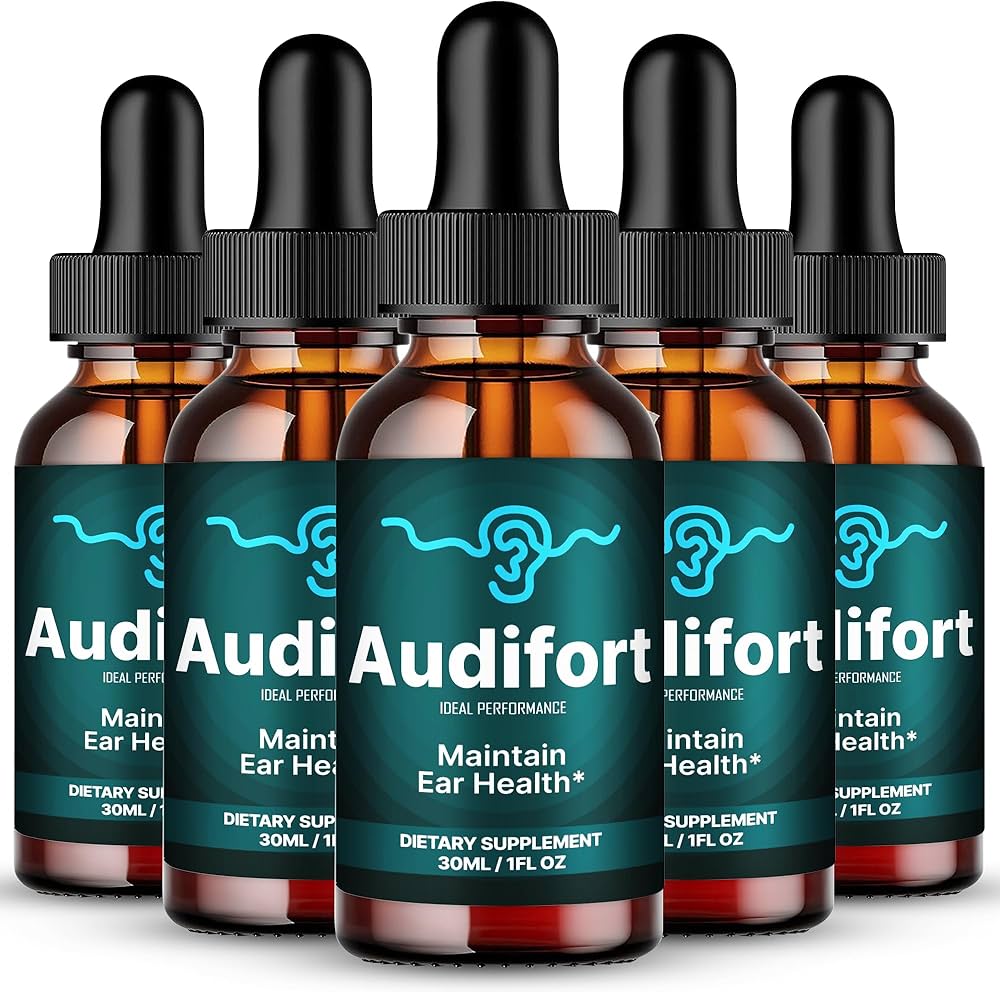
What Is Audifort?
Audifort is a liquid dietary supplement formulated to support hearing health, reduce tinnitus symptoms, and improve auditory clarity. It is sold exclusively through its official website via ClickBank, and it is distributed as a dropper bottle — two drops daily is the recommended dose. The supplement targets adults experiencing age-related hearing decline, persistent ringing in the ears, and difficulty processing sound in noisy environments.
The formula positions itself around a restoration model rather than a compensation model. Where hearing aids amplify external sound and most pharmaceutical tinnitus interventions attempt to sedate overactive neural activity, Audifort claims to address the underlying conditions that allow auditory dysfunction to develop — poor inner ear circulation, oxidative damage to cochlear hair cells, and nerve inflammation.
This framing is scientifically coherent. Late-2024 and 2025 research linked tinnitus and auditory fatigue to neurovascular breakdown, reduced inner-ear blood flow, chronic neural overfiring, and metabolic stress in auditory pathways. Audifort's ingredient selection maps directly onto these mechanisms. Whether the doses present in the formula are sufficient to produce clinically meaningful effects is a separate question — and one the product cannot fully answer without human trials on the finished formula.
Ingredient Analysis
Audifort's formula contains over 20 compounds. The key actives with the strongest research backing for auditory health are analyzed below.
| Ingredient | What the Research Suggests |
|---|---|
| Ginkgo Biloba Extract | Perhaps the most studied herb for tinnitus support. Evidence suggests it may improve blood flow to the brain and inner ear and carries antioxidant properties. Clinical trial results are mixed, but it remains the most evidence-referenced botanical in auditory supplementation. |
| Zinc | Zinc deficiency has been correlated with some forms of tinnitus, particularly in older adults. Supplementation may benefit individuals with confirmed low zinc levels. Effect is likely strongest in those who are deficient. |
| Magnesium | Known to protect hair cells in the inner ear from noise-induced damage. May also help regulate nerve function, potentially reducing the severity of tinnitus. One of the more robustly studied minerals for auditory protection. |
| Vitamin B Complex (B6, B9, B12) | Essential for nerve health and the reduction of homocysteine, an amino acid linked to cardiovascular issues and potentially impaired blood flow to the cochlea. B12 deficiency in particular has been linked to tinnitus in published studies. |
| Grape Seed Extract | Rich in oligomeric proanthocyanidins — potent antioxidants that may protect cochlear hair cells from free radical damage. Supports microvascular circulation, which is critical for inner ear health. |
| Green Tea Extract | Provides EGCG, a well-studied catechin with antioxidant and anti-inflammatory properties. Some animal studies suggest protective effects on auditory function under oxidative stress conditions. |
| Hawthorn Berry | Traditionally used to support cardiovascular health, which is intrinsically linked to inner ear health via circulation. Inner ear hair cells depend on consistent blood flow for oxygen and nutrient delivery. |
| Maca Root | An adaptogen used to promote vitality and overall health. Its role as an adaptogen helps the body manage stress, which can negatively impact auditory function. Indirect rather than direct auditory benefit. |
| Alpha Lipoic Acid (ALA) | Included for potent antioxidant properties. Works both in water- and fat-soluble environments, giving it broader cellular reach than most single antioxidants. May be particularly relevant for nerve cell protection. |
| Garlic Extract | Possesses anti-inflammatory and circulatory benefits. Allicin compounds in garlic support vasodilation, which may help maintain adequate blood flow to the delicate structures of the inner ear. |
"The ingredient profile reads like a well-considered list of nutrients studied for auditory support. The potential is in the combination — but individual response to any multi-ingredient formula is inherently variable."
Nurture Aura Editorial Assessment, March 2026How Audifort Is Supposed to Work
Audifort targets the auditory system through three overlapping biological pathways. Understanding each one helps set appropriate expectations for what this supplement can and cannot do.
Pathway 1 — Antioxidant Protection
The inner ear is highly susceptible to oxidative stress caused by free radicals, which can damage delicate hair cells. These hair cells — once damaged — do not regenerate. Antioxidant compounds including Ginkgo Biloba, Alpha Lipoic Acid, Grape Seed Extract, and Green Tea work to neutralize free radicals before they can cause further structural damage. This is a protective mechanism, not a restorative one: it can slow decline but cannot reverse existing hair cell loss.
Pathway 2 — Inner Ear Circulation
Proper blood circulation is vital for delivering oxygen and nutrients to the auditory system. Certain components aim to support vasodilation and microcirculation. Hawthorn Berry, Garlic Extract, and Ginkgo Biloba are the primary circulation-support ingredients. Restricted blood flow to the cochlea is one of the most studied contributors to both tinnitus and progressive hearing decline — making this pathway arguably the most clinically relevant in Audifort's formula.
Pathway 3 — Nerve Function and Inflammation
Chronic inflammation and nerve dysfunction are implicated in tinnitus. Magnesium and Zinc play roles in nerve signal transmission and may help calm overactive neural activity associated with phantom sounds. The B-vitamin complex supports nerve sheath integrity and reduces homocysteine. This pathway is where tinnitus sufferers are most likely to notice a subjective improvement — the "quieting" of phantom ringing that many users describe.
Realistic Results: What to Expect
Based on the ingredient research and patterns in user feedback, here is a realistic timeline for someone who responds to the formula and maintains consistent daily use alongside reasonable lifestyle habits.
Weeks 1 to 2: Most users report no notable changes. The formula requires time to build to effective tissue concentrations. Some users with zinc or B12 deficiency may notice subtle energy or mood improvements first, as these nutrients affect multiple systems.
Weeks 3 to 6: Users who respond to the formula typically begin noticing that tinnitus symptoms feel less intrusive. The most widely reported benefit is tinnitus reduction — users describe the constant ringing or buzzing "fading," "becoming quieter," or "moving into the background," making it far less intrusive. Hearing clarity improvements are secondary and generally more subtle.
Weeks 6 to 12 and beyond: The protective antioxidant and circulatory effects require consistent use to maintain. Results do not tend to accumulate dramatically — the primary benefit is likely a stabilization of symptoms rather than a dramatic reversal. Users expecting a cure will be disappointed. Users expecting meaningful symptom management may find genuine value.
It is important to note that tinnitus has many distinct causes — noise-induced, age-related, vascular, neurological, medication-induced — and Audifort's formula is better suited to some causes than others. Its circulatory and antioxidant mechanisms are most relevant for vascular and oxidative-origin tinnitus. Neurological or structural causes are less likely to respond.
Audifort — 6-Bottle Package
Side Effects and Safety
Audifort is manufactured in a GMP-certified, FDA-registered facility. As with all dietary supplements, FDA registration confirms manufacturing oversight — it does not indicate FDA review or approval of the product or its claims. The formula is plant-based and stimulant-free, which accounts for the notably low rate of adverse event reports relative to other auditory supplements in its category.
The most commonly reported mild effects in user feedback include brief digestive adjustment in the first week for users sensitive to garlic or herbal extracts. The liquid dropper format may affect tolerability for those sensitive to taste. No serious adverse events have been reported in available consumer data, though the caveat about individual biology always applies.
Users taking blood thinners should exercise caution — Ginkgo Biloba, Garlic Extract, and Hawthorn Berry all have mild anticoagulant properties that could compound prescription medication effects. Consultation with a physician is advisable before use in this group.
Pricing and the Guarantee
Audifort is priced at $49 per bottle for the six-bottle package — the most cost-effective option. The single-bottle price is higher, and the bulk packages offer automatic discounts without promotional codes. The product is only available through the official website. Third-party listings on Amazon or other platforms are unauthorized and typically void the refund policy.
The 90-day money-back guarantee is among the most generous in the supplement category. Most comparable products offer 30 or 60 days. Ninety days allows a full three-month trial — which is the minimum period most users need to assess meaningful results. Refunds are processed through ClickBank's self-service infrastructure, which provides a reliable independent channel if the vendor is unresponsive.
Who Audifort Is Best Suited For
Audifort is most likely to be useful for adults over 45 who are experiencing mild to moderate tinnitus or gradual hearing clarity decline that has not yet required medical intervention. It is not a substitute for professional audiological evaluation, and anyone with sudden hearing loss, severe tinnitus, or suspected medical causes should see a physician before trying any supplement. For individuals who have already completed a medical workup and received a "nothing actionable found" result, Audifort represents a lower-risk option for nutritional support that is more coherently formulated than most alternatives in its price range.